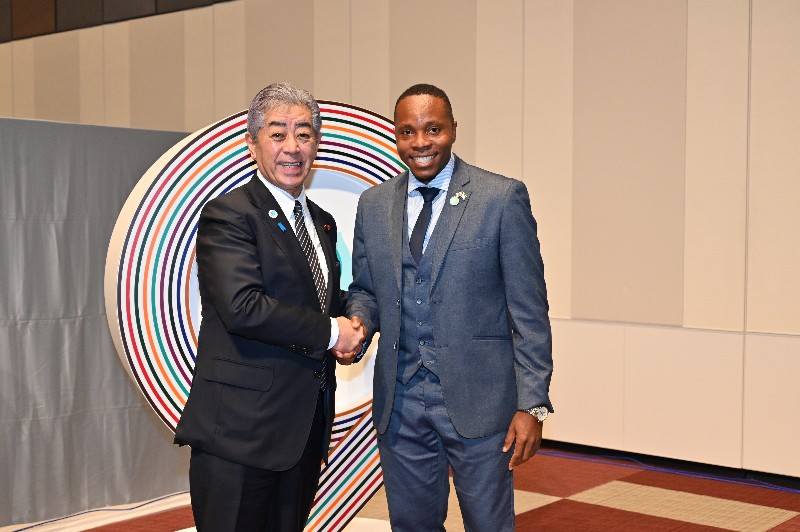
7 months ago, I reflected on my participation at TICAD-9 in Japan and ended by saying together#WeWillDeliver. I held many meetings to deepen our ties with UNIDO and the Japanese government and initiated several partnerships.
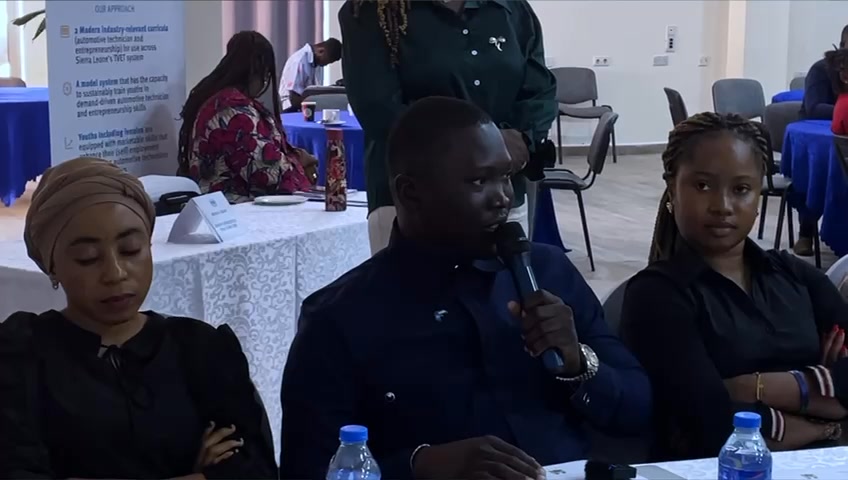
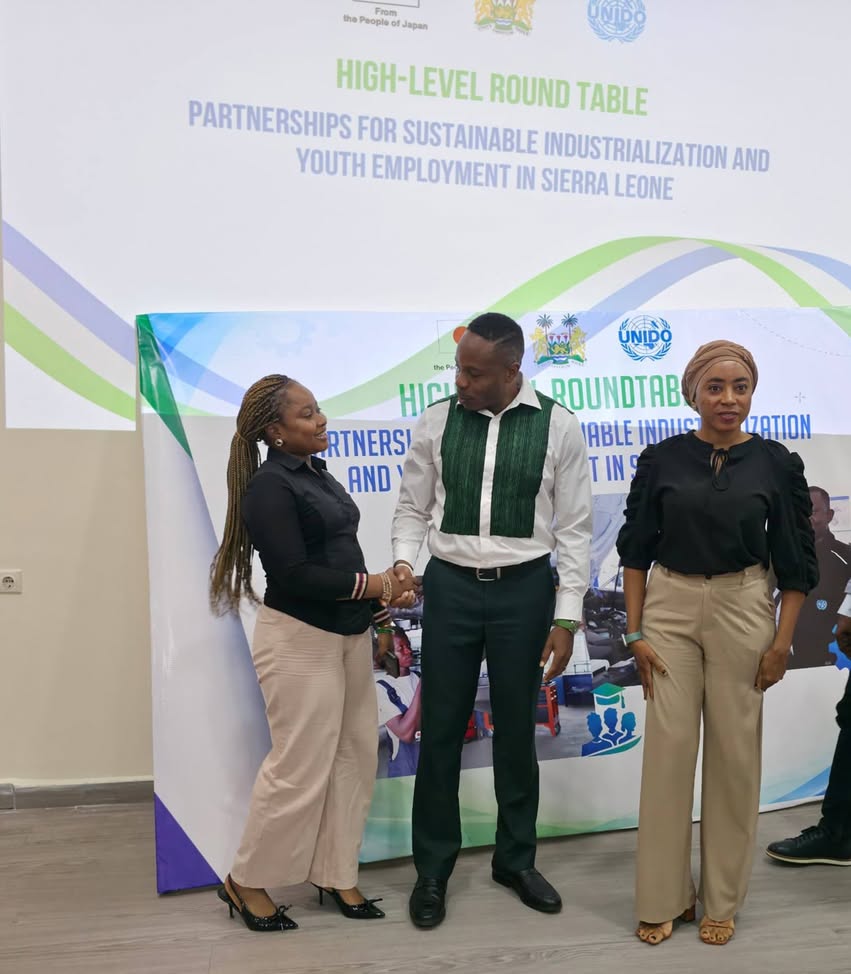
Today, I welcomed Mr Yuko Yasunaga, the Deputy Director General of UNIDO, the UN Resident Cordinator, the Ambassador of Japan to Sierra Leone and dozens of stakeholders including ministers and private sector players at the “High-Level Roundtable on Partnerships for Sustainable Industrialization and Youth Employment in Sierra Leone.” We are now far along with the concept for Center of Excellence for Carpentry and many other initiatives. Today, I can say indeed together #WeAreDelivering. We will never stop pushing ourselves to deliver on our NDP vision of being a middle income country by 2039.
The Chief’s Diary: From Tokyo with Much More Than Love: the Promises of TICAD9
Several of us African leaders spent the last three days in Yokohama, Japan, at the 9th Tokyo International Conference on African Development (TICAD 9) held between August 20-22, 2025. The theme of the conference “Co-create innovative solutions with Africa” under three focus areas – Economy, Society, and Peace and Stability was very appropriate (a copy of the final Conference Declaration can be found here 100893431.pdf https://share.google/sphA0dw9teiccFwvi).
As we all board our flights to return home, I wanted to highlight four takeaways.
First, the world is much more united in advocacy to give Africa its rightful place at global multilateral institutions starting at the UN Security Council, which must now be matched with action. The UN Secretary General and several leaders made this case loudly, and as we approach the UN General Assembly high-Level week 2025, we need a much stronger push to get this done now. Africa deserves its voice heard as permanent members in the Security Council Chamber. Until we make these multilateral institutions, including the IMF and World Bank, more radically inclusive, we will keep moving further away from a more just society.
Second, the existing global financial architecture and its accompanying instruments will always get poorer countries into fiscal trouble. African nations want to invest in infrastructure, security, and social services for our people, but the term sheets and risk analyses do not justly account for our contextual realities. Post the United Nations Financing For Development Summit in Sevilla a few months ago, more attention should be paid to domestic revenue mobilization, debt restructuring, reallocation of special drawing rights (SDRs), and new financial services that support large-scale infrastructure projects needed for sustainable development. This must be done across the borders of our respective countries and not in silos. It was inspiring to watch African leaders renew their commitments to the implementation of the African Continental Free Trade Area (AfCFTA), African Credit Rating Agency (AfCRA), and other similar instruments. We must act now!
Third, Africa, and to a large extent, the world must start capitalizing on its demographic dividend. The youth, who make up nearly 70% of the continent, are the coders without devices, the farmers without tractors, and the researchers without the labs. Unlike previous years, the language used to describe Africa’s youth today is one of hope, potential, and positive impact (it also helps that several of Africa’s leaders are now ‘young’.) The people who are currently co-creating innovative solutions across Africa in digital finance, disease diagnosis, and social development are the youth. The function of government and partners must be to support them so they can unlock their full potential.
Finally, the function of the private sector as critical collaborators of development is much clearer today than when the SDGs were being crafted. More innovative and blended financing that leverages grants to derisk private sector capital must be embraced. Several African countries, including South Africa and mine, Sierra Leone held Trade and Investment Forums in Japan. This will surely attract more investors and businesses to our continent. Governments are also clearer today on giving concessions to the private sector that do not waive all fiscal responsibilities while accelerating the export of raw materials from our lands. I have shared the idea of what I call ‘conscientious concessions’ where the private sector makes money, the environment is protected, the government gets its due, and citizens also benefit directly and indirectly.
But of course, we always wonder whether Africa +1 conferences like TICAD are appropriate. They go beyond being summoned by our partner countries. These gatherings, whether in Africa, Europe, Asia, or America, reaffirm our commitments to multilateralism, offer opportunities to collectively bargain, present opportunities for more bilateral engagements among our nations, and create opportunities for us as a global people to collectively solve our problems. That said, our citizens must demand results from these engagements, and it is also our responsibility as leaders to bring them along on our journey of transformation in Africa.
I gave my views earlier on this topic during a BBC Focus on Africa TV interview
(Posted here https://m.facebook.com/story.php?story_fbid=10116835717334301&id=30229&mibextid=ZbWKwL).
Japan may be far away in distance, but it brought us closer together in our resolve to co-create innovative solutions for our people. Together #WeWillDeliver.
Today, I welcomed Mr Yuko Yasunaga, the Deputy Director General of UNIDO, the UN Resident Cordinator, the Ambassador of Japan to Sierra Leone and dozens of stakeholders including ministers and private sector players at the “High-Level Roundtable on Partnerships for Sustainable Industrialization and Youth Employment in Sierra Leone.” We are now far along with the concept for Center of Excellence for Carpentry and many other initiatives. Today, I can say indeed together #WeAreDelivering. We will never stop pushing ourselves to deliver on our NDP vision of being a middle income country by 2039.
The Chief’s Diary: From Tokyo with Much More Than Love: the Promises of TICAD9
Several of us African leaders spent the last three days in Yokohama, Japan, at the 9th Tokyo International Conference on African Development (TICAD 9) held between August 20-22, 2025. The theme of the conference “Co-create innovative solutions with Africa” under three focus areas – Economy, Society, and Peace and Stability was very appropriate (a copy of the final Conference Declaration can be found here 100893431.pdf https://share.google/sphA0dw9teiccFwvi).
As we all board our flights to return home, I wanted to highlight four takeaways.
First, the world is much more united in advocacy to give Africa its rightful place at global multilateral institutions starting at the UN Security Council, which must now be matched with action. The UN Secretary General and several leaders made this case loudly, and as we approach the UN General Assembly high-Level week 2025, we need a much stronger push to get this done now. Africa deserves its voice heard as permanent members in the Security Council Chamber. Until we make these multilateral institutions, including the IMF and World Bank, more radically inclusive, we will keep moving further away from a more just society.
Second, the existing global financial architecture and its accompanying instruments will always get poorer countries into fiscal trouble. African nations want to invest in infrastructure, security, and social services for our people, but the term sheets and risk analyses do not justly account for our contextual realities. Post the United Nations Financing For Development Summit in Sevilla a few months ago, more attention should be paid to domestic revenue mobilization, debt restructuring, reallocation of special drawing rights (SDRs), and new financial services that support large-scale infrastructure projects needed for sustainable development. This must be done across the borders of our respective countries and not in silos. It was inspiring to watch African leaders renew their commitments to the implementation of the African Continental Free Trade Area (AfCFTA), African Credit Rating Agency (AfCRA), and other similar instruments. We must act now!
Third, Africa, and to a large extent, the world must start capitalizing on its demographic dividend. The youth, who make up nearly 70% of the continent, are the coders without devices, the farmers without tractors, and the researchers without the labs. Unlike previous years, the language used to describe Africa’s youth today is one of hope, potential, and positive impact (it also helps that several of Africa’s leaders are now ‘young’.) The people who are currently co-creating innovative solutions across Africa in digital finance, disease diagnosis, and social development are the youth. The function of government and partners must be to support them so they can unlock their full potential.
Finally, the function of the private sector as critical collaborators of development is much clearer today than when the SDGs were being crafted. More innovative and blended financing that leverages grants to derisk private sector capital must be embraced. Several African countries, including South Africa and mine, Sierra Leone held Trade and Investment Forums in Japan. This will surely attract more investors and businesses to our continent. Governments are also clearer today on giving concessions to the private sector that do not waive all fiscal responsibilities while accelerating the export of raw materials from our lands. I have shared the idea of what I call ‘conscientious concessions’ where the private sector makes money, the environment is protected, the government gets its due, and citizens also benefit directly and indirectly.
But of course, we always wonder whether Africa +1 conferences like TICAD are appropriate. They go beyond being summoned by our partner countries. These gatherings, whether in Africa, Europe, Asia, or America, reaffirm our commitments to multilateralism, offer opportunities to collectively bargain, present opportunities for more bilateral engagements among our nations, and create opportunities for us as a global people to collectively solve our problems. That said, our citizens must demand results from these engagements, and it is also our responsibility as leaders to bring them along on our journey of transformation in Africa.
I gave my views earlier on this topic during a BBC Focus on Africa TV interview
(Posted here https://m.facebook.com/story.php?story_fbid=10116835717334301&id=30229&mibextid=ZbWKwL).
Japan may be far away in distance, but it brought us closer together in our resolve to co-create innovative solutions for our people. Together #WeWillDeliver.
Daily Diary Read More
Together We Rise: A Movement for Everyone